Creating a relaxing home workspace may sound like a luxury, but it’s actually a key factor in staying productive and focused throughout your workday. Whether you work remotely full-time or need a dedicated spot for occasional tasks, setting up an environment that promotes calm and efficiency can help you perform at your best. In this post, we’ll explore practical tips and ideas to design a home workspace that feels peaceful and inspiring.
Why a Relaxing Workspace Matters
Your work environment has a powerful impact on your mindset and output. When your space feels cluttered or uncomfortable, it’s easy to get distracted or overwhelmed. On the other hand, a serene and well-organized area can reduce stress, enhance creativity, and improve concentration. A relaxing workspace creates a positive mental frame, helping you to maintain motivation and productivity over long periods.
Choose the Right Location
Start by selecting a spot in your home that works best for your needs. Ideally, this should be a quiet area away from high-traffic zones and distractions like the TV or kitchen noise.
– Consider natural light: A space with good natural light helps reduce eye strain and boosts mood.
– Check for outlets: Ensure plenty of power sources for your computer, lamps, and other devices.
– Think about privacy: A room with a door or a defined corner can help you separate work from home life.
Invest in Comfortable Furniture
Comfort is essential for both relaxation and productivity. Spending on ergonomic furniture supports good posture and prevents discomfort that can break your focus.
– Choose an adjustable chair: Look for one with lumbar support and adjustable height.
– Use a spacious desk: Having enough room to organize your essentials helps maintain order.
– Consider a footrest or standing desk: Changing positions throughout the day can reduce fatigue.
Keep the Space Clutter-Free
A tidy workspace clears the mind. Here are some quick decluttering ideas:
– Use storage boxes or drawers: Organize paperwork, office supplies, and accessories.
– Limit decorations: Select a few meaningful or calming items rather than overcrowding the desk.
– Set up a cable management system: Avoid tangled wires by using clips or sleeves.
Add Elements That Promote Relaxation
Small touches in your workspace can create a soothing atmosphere.
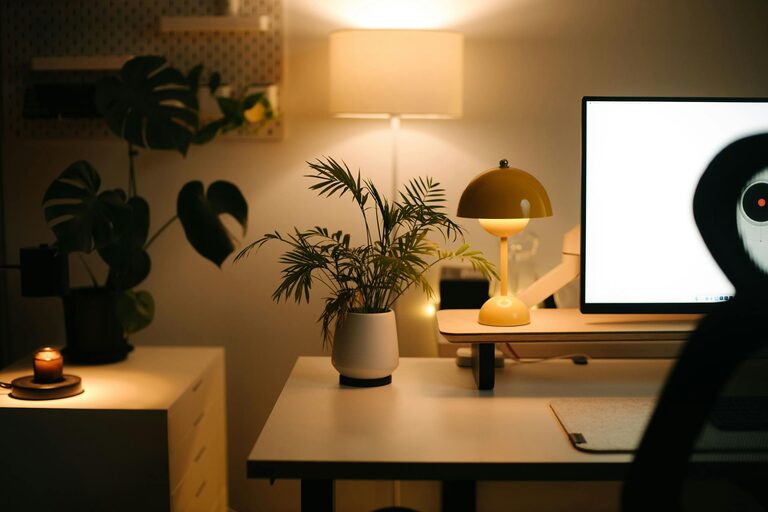
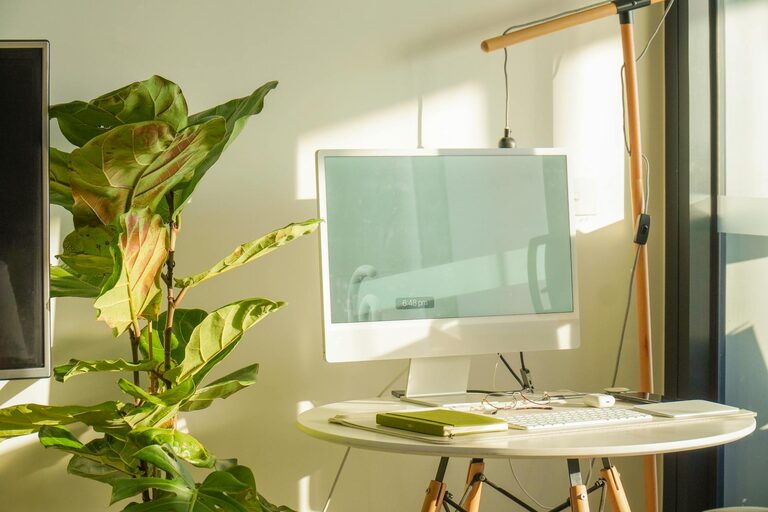
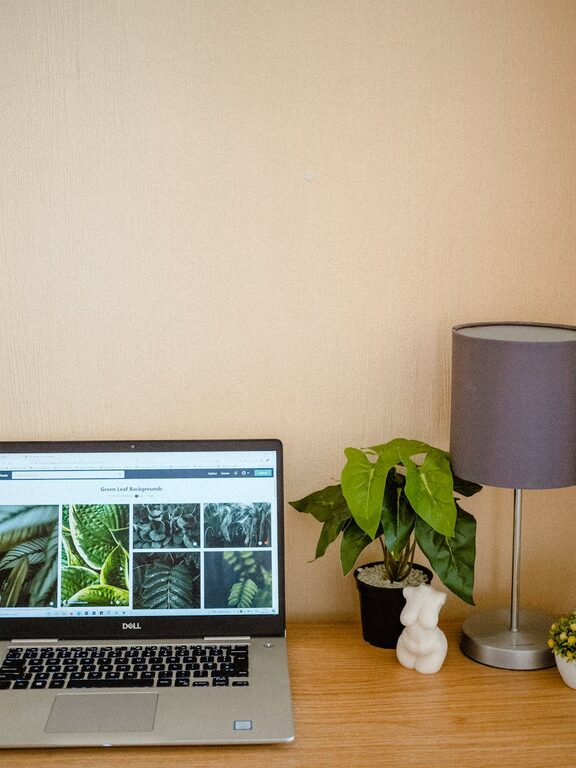
– Incorporate plants: Indoor plants improve air quality and add a natural, calming presence.
– Choose calming colors: Soft blues, greens, or neutral tones help reduce stress and increase focus.
– Use natural materials: Wood, cotton, or stone textures add warmth and comfort.
Control Lighting for Optimal Comfort
Lighting affects your energy and alertness. Too harsh or dim light can cause headaches or fatigue.
– Maximize daylight: Position your desk near windows if possible.
– Use adjustable lamps: A lamp with dimming options allows you to customize lighting.
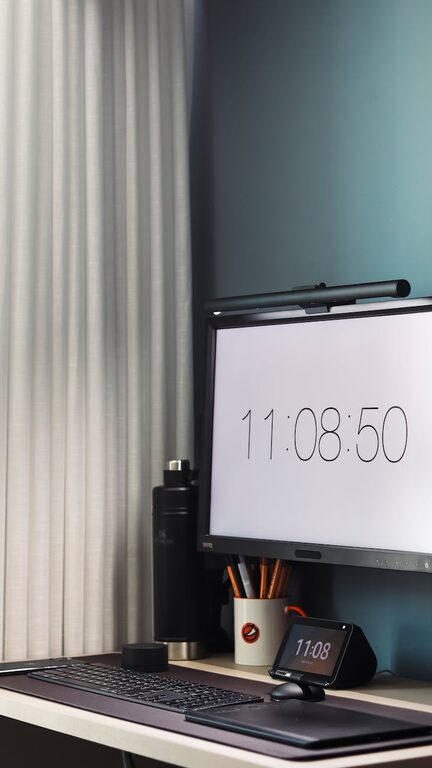
– Avoid screen glare: Position screens to prevent reflections from windows or overhead lights.
Minimize Noise and Interruptions
Sound distractions can disrupt your flow. Here are ways to keep noise under control:
– Use noise-cancelling headphones: Great for blocking out background chatter or street noise.
– Add soft materials: Rugs, curtains, and cushions absorb sound and reduce echo.
– Communicate your working hours: Let family members or roommates know when you need quiet time.
Personalize Your Workspace Mindfully
Adding personal touches can boost mood and motivation, but avoid clutter.
– Display inspiring quotes or photos: Choose images that energize or calm you.
– Keep your favorite stationery or mugs handy: Functional items you enjoy using can make the day feel brighter.
– Change items seasonally: Rotate decorations to keep the space feeling fresh without adding excess.
Maintain Healthy Habits
Even the best workspace won’t help if you neglect your well-being.
– Take breaks: Step away regularly to stretch, hydrate, and rest your eyes.
– Practice good posture: Sit upright and use ergonomic adjustments.
– Set boundaries: Define work hours to maintain a healthy work-life balance.
Final Thoughts
Creating a relaxing home workspace doesn’t require a large budget or a dedicated room. With thoughtful planning and simple adjustments, you can transform any corner into a calm and productive spot. By balancing comfort, organization, and personalization, your workspace becomes a supportive environment where you can focus, create, and thrive every day.
Start small, experiment with what makes you feel most relaxed, and enjoy the positive changes in your workflow and mindset. Happy working!
About the Author