Working from home has become a common part of many people’s lives. Having a well-organized and thoughtfully designed workspace is key to maintaining productivity and focus. Whether you have a small nook or a dedicated room, creating a productive home workspace is achievable with some practical steps. In this post, we’ll explore helpful tips to set up a home office that supports your work style and enhances your efficiency.
Choose the Right Location
Selecting the best spot in your home is the first step to creating a productive workspace. Ideally, look for a quiet area with minimal distractions. If possible, choose a space with natural light, as sunlight helps improve mood and alertness.
– Avoid high-traffic zones like the living room or kitchen.
– If space is limited, consider a swivel desk or a foldable setup.
– Make sure there’s enough room for your equipment and some personal items.
Invest in Comfortable and Ergonomic Furniture
Comfort is essential when working for extended periods. Invest in ergonomic furniture to reduce strain and support your posture.
Desk
– Pick a desk that fits your work needs—enough surface area for your computer, notebook, and other tools.
– Standing desks or adjustable desks can provide flexibility to switch between sitting and standing.
Chair
– A comfortable, adjustable chair with good lumbar support helps prevent back pain.
– Make sure your feet rest flat on the floor or on a footrest.
Organize Your Equipment and Supplies
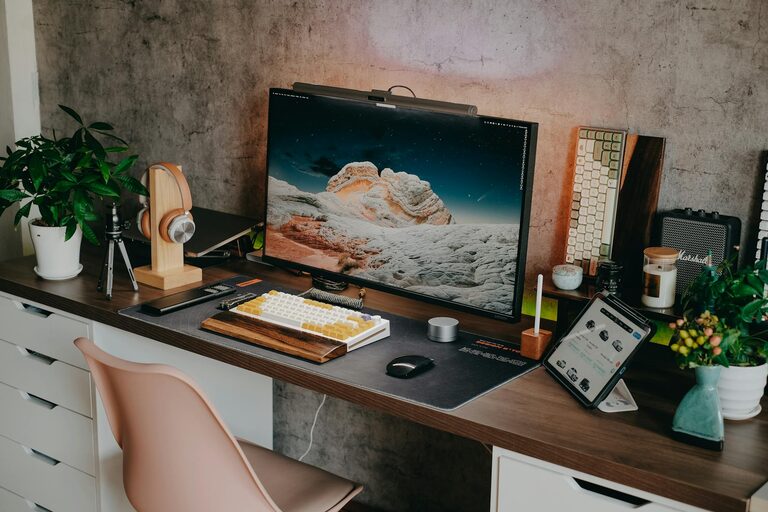
A clutter-free workspace promotes concentration and efficiency. Keep your workspace tidy by organizing your equipment and supplies.
– Use cable organizers to avoid tangled cords.
– Store stationery in drawers or containers.
– Use shelves or filing cabinets for important documents.
– Consider digital tools to reduce paper clutter.
Optimize Lighting
Good lighting minimizes eye strain and keeps you alert throughout the day.
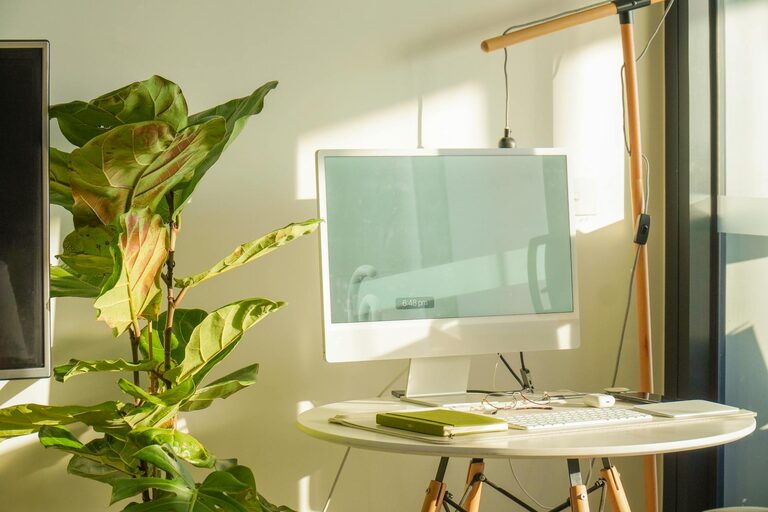
– Aim for natural light first; position your desk near a window.
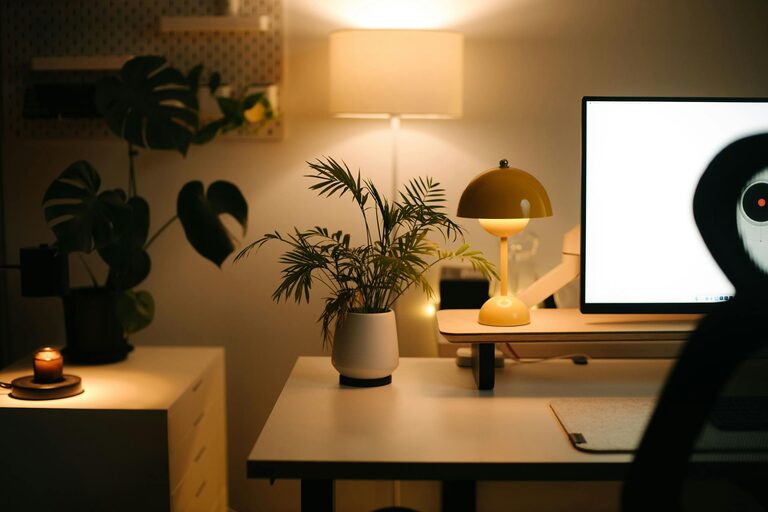
– Supplement natural light with a good desk lamp that provides soft, focused lighting.
– Avoid harsh or flickering lights to prevent headaches.
Minimize Distractions
Distractions can quickly reduce productivity, especially at home.
– Use noise-canceling headphones if your environment is noisy.
– Set boundaries with family or housemates during work hours.
– Keep your phone on silent or use apps that limit social media access while working.
Personalize Your Workspace
Personal touches can make your workspace more inviting and motivate you to work.
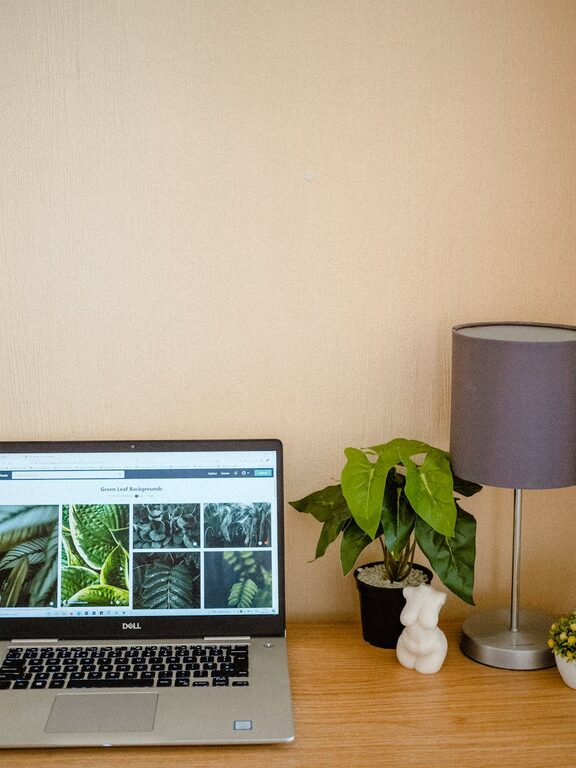
– Add plants to improve air quality and add a touch of nature.
– Display inspiring artwork or quotes.
– Use colors that make you feel calm and focused, such as blues or greens.
Establish a Daily Routine
A predictable routine helps condition your mind for work.
– Set regular work hours to create structure.
– Begin your day with a consistent warm-up activity like reviewing your to-do list.
– Take scheduled breaks to rest and recharge.
Use Technology Wisely
Technology is essential but can also be a source of distraction if not managed well.
– Use productivity apps for task management and time tracking.
– Keep your software updated to avoid technical issues.
– Organize your digital files for quick access.
Maintain Good Air Quality and Temperature
A comfortable environment supports focus and well-being.
– Open windows to let in fresh air or use an air purifier.
– Adjust heating or cooling to keep your space at a comfortable temperature.
– Avoid working in rooms that are too hot, cold, or stuffy.
Keep Hydrated and Take Breaks
Staying hydrated and taking regular breaks improves concentration and energy levels.
– Keep a water bottle at your desk.
– Use techniques like the Pomodoro method to balance work and rest periods.
– Stand up, stretch, or take a short walk every hour.
—
Creating a productive home workspace is about adapting your environment to suit your needs and habits. With these tips, you can design a space that helps you focus, stay organized, and enjoy your work-from-home experience. Remember, small changes can make a big difference in your daily productivity. Happy working!
About the Author