Creating a productive home workspace is essential for anyone who spends time working outside of a traditional office. Whether you’re working remotely, freelancing, or managing tasks from home, your environment plays a vital role in your efficiency and well-being. This guide shares practical tips to help you build a workspace that supports focus, comfort, and consistent productivity.
Choose the Right Location
Selecting an appropriate spot in your home is the first step. Ideally, your workspace should be:
– Quiet: Away from household noise and distractions.
– Well-lit: Near a window for natural light or with good artificial lighting.
– Spacious enough: To accommodate your desk, chair, computer, and other essentials comfortably.
If possible, avoid working in your bedroom or on the couch, as these places can make it harder to separate work from relaxation.
Invest in Ergonomic Furniture
Comfort is key for sustaining long work hours. Here’s what to consider:
– Desk: Choose a desk with enough surface area for your equipment and paperwork.
– Chair: An adjustable chair with lumbar support reduces the risk of back pain.
– Monitor and Keyboard Position: Keep your screen at eye level to avoid neck strain, and position your keyboard and mouse so your wrists are neutral.
Ergonomic furniture not only improves comfort but also helps maintain posture and reduce fatigue.
Organize Your Workspace Effectively
A clutter-free workspace can improve mental clarity and efficiency. Try these tips:
– Declutter daily: Remove unnecessary items at the end of each day.
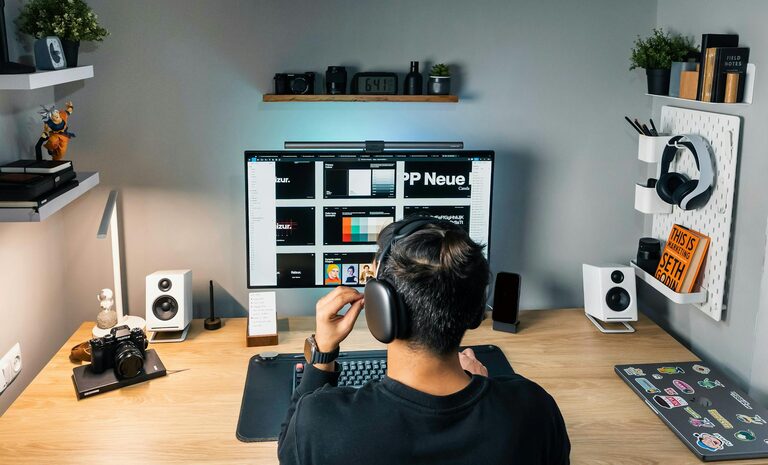
– Use storage solutions: Shelves, drawer organizers, and filing cabinets keep supplies tidy.
– Keep essentials within reach: This minimizes distractions caused by frequently searching for items.
Labeling containers and keeping cables organized can also save time and frustration.
Optimize Lighting
Good lighting reduces eye strain and keeps you alert. Consider these options:
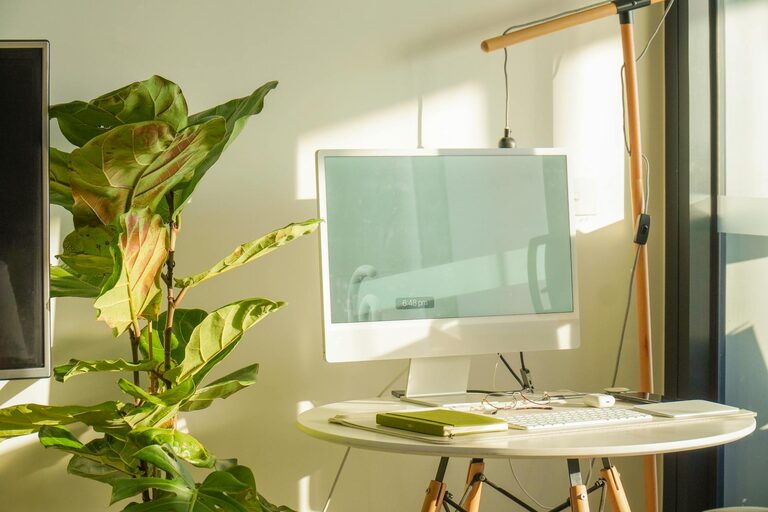
– Natural light: Position your desk near a window if possible.
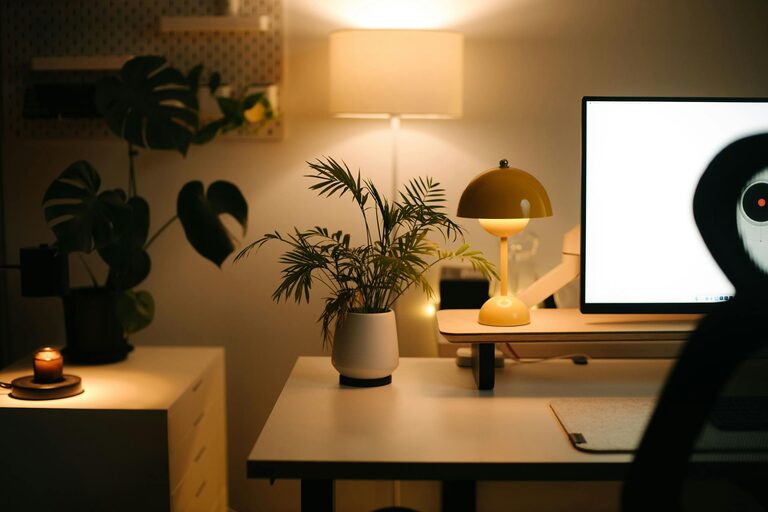
– Task lighting: Use adjustable desk lamps for focused light.
– Avoid glare: Place screens perpendicular to windows or use blinds to control brightness.
A well-lit environment positively affects mood and productivity.
Minimize Distractions
Creating boundaries helps maintain concentration:
– Set clear work hours: Communicate your schedule with family or housemates.
– Use noise-canceling headphones: They help block background noise.
– Turn off non-essential notifications: Silence phone and computer alerts while working.
If you work with children around, consider having dedicated times for focused work.
Personalize Your Space
Adding personal touches makes your workspace inviting and motivating:
– Plants: Help purify the air and boost mood.
– Artwork or photos: Inspire creativity and provide comfort.
– Comfort items: A cozy blanket or an ergonomic footrest enhances your environment.
Just keep personalization balanced so it doesn’t become a distraction.
Set Up Reliable Technology
Having dependable tech tools reduces frustration and interruptions:
– Fast internet connection: Essential for video calls and cloud-based work.
– Up-to-date software: Prevents compatibility issues.
– Backup solutions: Use cloud storage or external drives to protect your files.
Organize cables neatly to avoid tangling and accidental disconnections.
Establish a Routine
A consistent daily routine can improve focus and work-life balance:
– Begin with a morning ritual: Preparing coffee, stretching, or reviewing your to-do list.
– Take regular breaks: Short pauses every hour prevent burnout.
– End your workday: Clear your desk and power down devices to separate work from home life.
Sticking to a schedule helps create structure, even when working remotely.
Keep Healthy Habits in Mind
Your workspace should support your overall well-being:
– Stay hydrated: Keep water nearby.
– Move regularly: Stand, stretch, or walk to avoid sitting too long.
– Maintain good posture: Adjust your chair and monitor setup as needed.
Healthy habits not only improve productivity but also long-term health.
—
By taking time to design a home workspace that meets your needs, you’ll create an environment where focus and comfort lead to better work outcomes. Start with small changes and adjust as you discover what works best for you. A well-planned workspace is an investment in your daily productivity and enjoyment.
About the Author