Creating a home office that is both relaxing and productive can make a significant difference in your work-from-home experience. Whether you’re a remote employee, freelancer, or entrepreneur, the right environment helps reduce stress and improve focus. In this article, we’ll explore practical tips to design a space that supports your best work while keeping you comfortable and calm.
Why a Balanced Home Office Matters
Working in a space that feels cluttered or uncomfortable often leads to distractions, fatigue, and decreased motivation. A well-designed home office provides:
– Greater focus by minimizing distractions
– Reduced stress through soothing elements and organization
– Increased efficiency with easy access to tools and supplies
– Better work-life balance by clearly defining your workspace
With these benefits in mind, let’s look at actionable strategies to create this ideal environment.
Choose the Right Location
Your home office location sets the foundation for a productive space. When selecting your workspace:
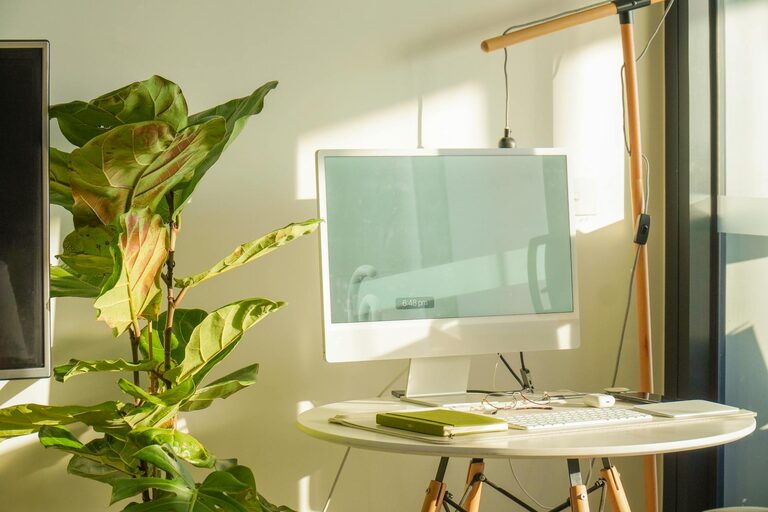
– Find natural light: Position your desk near a window to enjoy daylight, which helps regulate your mood and energy.
– Avoid high-traffic areas: A quiet corner or a less frequented room reduces disturbances.
– Consider privacy: Use a door or room divider to separate work from home life, supporting focus and signaling work time.
Invest in Comfortable Furniture
Comfort is crucial for long hours spent at your desk. Prioritize:
– Ergonomic chair: Choose one that supports your back and encourages good posture.
– Appropriate desk height: Ensure your desk matches your sitting position to prevent strain.
– Adjustable equipment: Laptop stands or monitor risers can help keep your screen at eye level.
These choices protect your body and keep you comfortable throughout the day.
Optimize Lighting
Good lighting reduces eye strain and enhances mood.
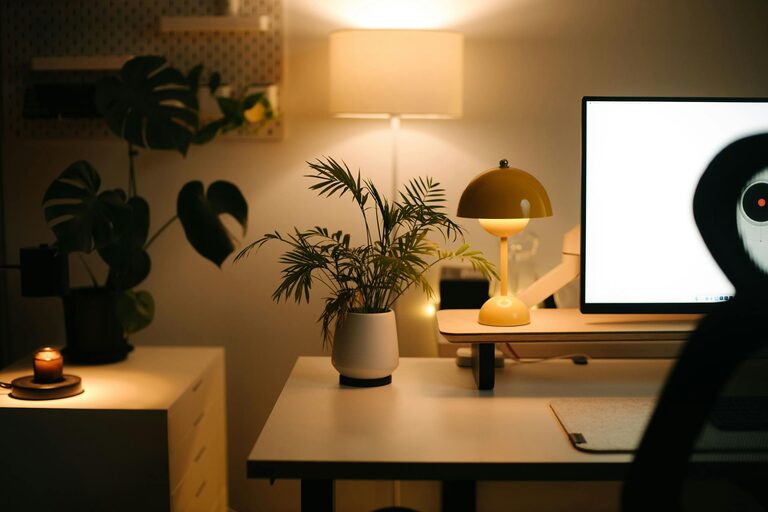
– Use a mix of natural and artificial light: Natural light is best during the day, but task lamps with adjustable brightness work well for focused activities.
– Avoid glare: Position screens perpendicular to windows and use curtains or blinds to control sunlight intensity.
– Select warm light bulbs: They create a cozy and calming atmosphere compared to harsh white light.
Declutter and Organize
A tidy workspace has a positive impact on your mental clarity.
– Keep only essentials on your desk: Limit clutter to what you need daily.
– Use storage solutions: Drawers, shelves, and organizers keep supplies out of sight but easily accessible.
– Maintain a tidy routine: Spend a few minutes at the end of each workday clearing your space.
Incorporate Calming Elements
Adding touches that promote relaxation can help balance productivity and stress relief.
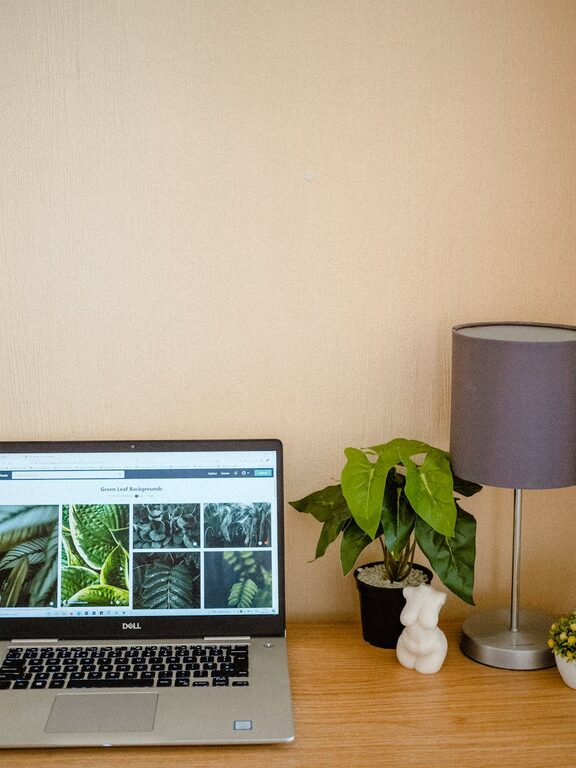
– Plants: Greenery improves air quality and brings a sense of nature indoors.
– Personal items: Photos, artwork, or meaningful objects create a welcoming environment.
– Soothing scents: Essential oils or candles like lavender can reduce tension.
However, avoid overdecorating, which can distract or crowd your area.
Manage Noise Levels
Background noise can either hinder or help concentration depending on your preferences.
– Use noise-cancelling headphones: Block distracting sounds when needed.
– Play ambient or instrumental music: If silence feels too stark, soft music can aid focus.
– Add sound absorbers: Rugs, curtains, or wall hangings reduce echo and muffled noise.
Establish Work Boundaries
Creating clear limits between work and personal life supports mental well-being.
– Set working hours: Having defined start and end times helps maintain routine.
– Communicate your schedule: Let household members know when you are unavailable.
– Designate a specific work zone: Avoid working from shared spaces like the couch or bed.
Technology and Tools Setup
Having reliable technology makes work smoother and less frustrating.
– High-speed internet: Ensure your connection can handle your tasks.
– Cable management: Use clips or sleeves to keep wires organized and prevent tangles.
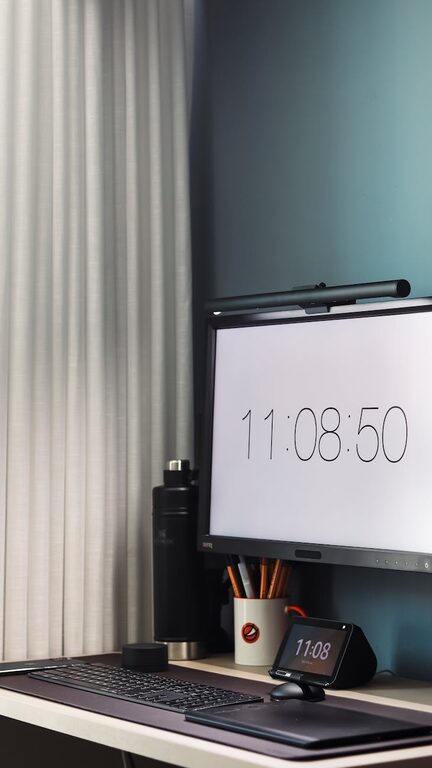
– Use a second monitor: Extra screen space increases productivity for many tasks.
Take Breaks to Recharge
Even the best environment can’t compensate for continuous work without rest.
– Follow the 20-20-20 rule: Every 20 minutes, look at something 20 feet away for 20 seconds.
– Stand and stretch regularly: Move to reduce stiffness and improve circulation.
– Step outside when possible: Fresh air and sunshine boost mood and energy.
Final Thoughts
Creating a home office that balances relaxation and productivity is a personal journey. By considering comfort, organization, lighting, and mindful boundaries, you can craft a workspace that supports both your professional goals and well-being. Start with small changes, and adjust as you discover what helps you work best each day. With the right environment, your home office can become your favorite place to focus and flourish.
About the Author