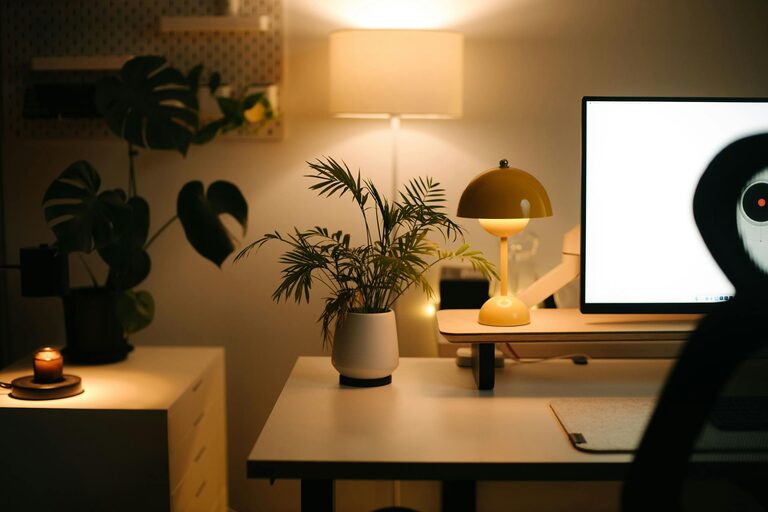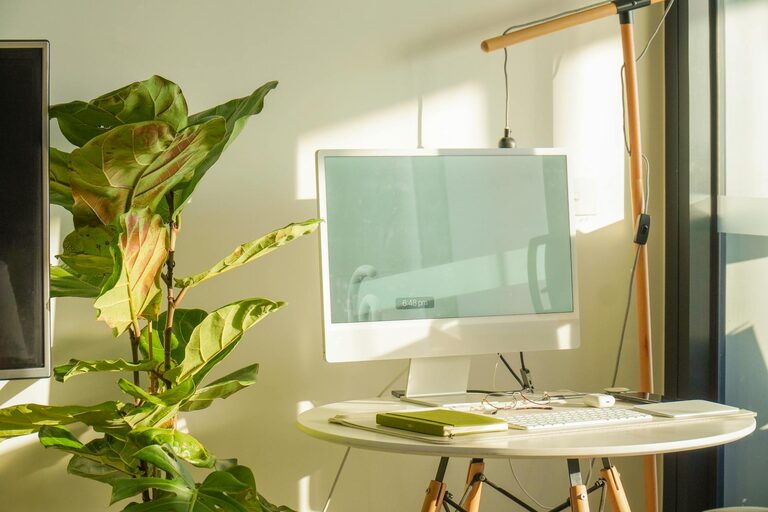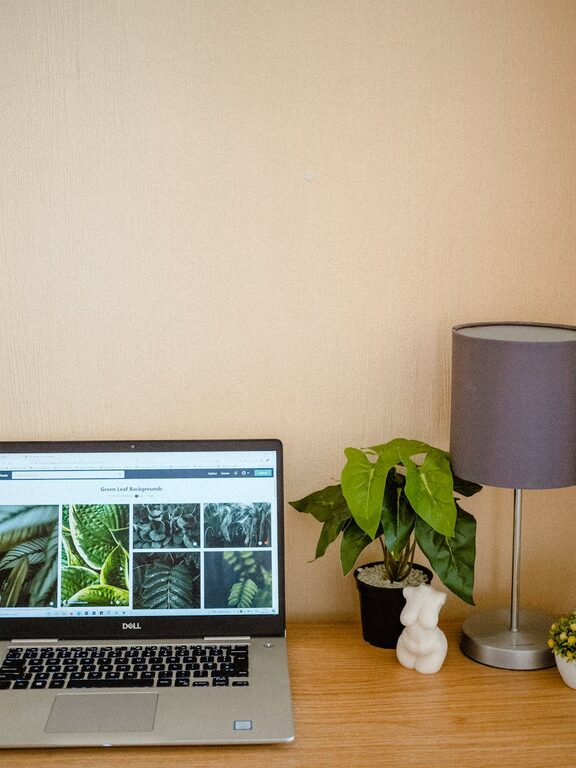
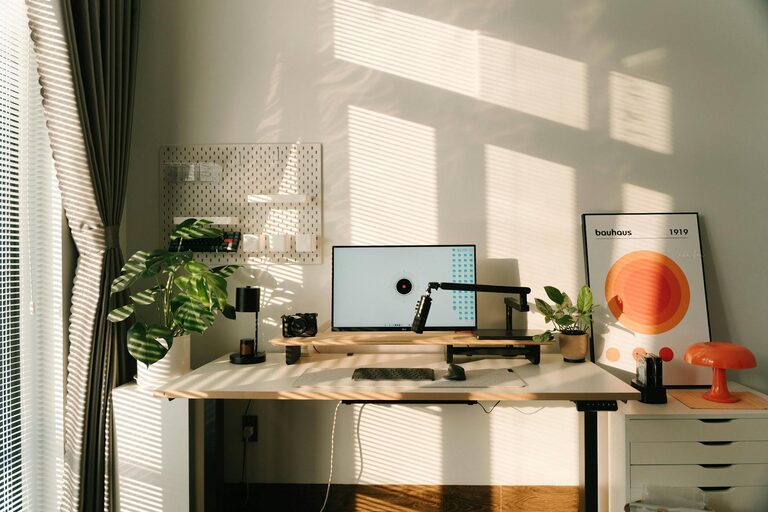
Creating a home office that feels both cozy and functional is a great way to boost your productivity while enjoying comfort throughout your workday. Whether you’re working from home full-time or occasionally, having a well-designed workspace can help you stay focused and reduce stress. Here are some practical tips to help you create the perfect home office.
Choose the Right Location
One of the first steps is selecting a spot in your home that suits your work needs.
– Quiet and Private: Look for a place with minimal noise and distractions.
– Natural Light: If possible, choose a space near a window to benefit from natural daylight.
– Away from High-Traffic Areas: Avoid locations with a lot of foot traffic to maintain concentration.
Even a small nook can work if it’s thoughtfully arranged.
Invest in Comfortable Furniture
Comfort is key to maintaining productivity and preventing aches.
– Ergonomic Chair: Choose a chair that supports good posture with adjustable height and lumbar support.
– Desk Size: Your desk should have enough space for your computer, notebook, and any other daily essentials.
– Adjustable Desk: Consider a standing desk or a convertible desk if you want flexibility between sitting and standing.
Comfortable furniture encourages longer and more focused work sessions.
Optimize Lighting
Proper lighting reduces eye strain and brightens your space.
– Use Layered Lighting: Combine overhead, task lighting (like a desk lamp), and natural light.
– Warm Light Bulbs: Bulbs with warm tones create a cozy atmosphere.
– Adjustable Lamps: A lamp with adjustable brightness helps tailor the light to different tasks.
Make sure your screen isn’t directly facing a window to prevent glare.
Keep It Organized
Clutter can distract and cause stress, so it’s important to keep your workspace tidy.
– Storage Solutions: Use shelves, drawers, or filing cabinets to store documents and supplies.
– Desk Organizers: Trays, pen holders, and cable management tools help keep essentials within reach and orderly.
– Minimalism: Only keep items that you regularly use on your desk.
Regularly declutter to maintain a clean environment that supports focus.
Add Personal Touches
Personalizing your workspace makes it inviting and motivational.
– Plants: Adding greenery improves air quality and boosts mood.
– Artwork: Choose calming or inspiring images or prints to decorate your walls.
– Comfort Items: A soft throw blanket or cushioned floor mat can add warmth.
These touches help balance professionalism and comfort.
Pay Attention to Color Scheme
Colors influence mood and productivity.
– Neutral Tones: Soft, neutral colors like beige, gray, or white create a calm atmosphere.
– Accent Colors: Introduce hints of blues or greens, which are known to enhance focus and reduce stress.
– Avoid Overly Bright Colors: These can be distracting or overstimulating.
Use color thoughtfully to help create a peaceful but energizing environment.
Incorporate Technology Wisely
Your office technology should enhance your workflow, not complicate it.
– Reliable Equipment: Invest in a good computer, high-speed internet, and quality peripherals.
– Cable Management: Use clips, sleeves, or boxes to keep cables neat and prevent tangling.
– Wireless Options: Wireless keyboards and mice reduce clutter and increase mobility.
Keep your tech setup simple and efficient to reduce daily frustrations.
Ensure Good Air Quality and Temperature
A comfortable climate helps maintain focus and overall wellbeing.
– Ventilation: Ensure your home office is well-ventilated to avoid stuffiness.
– Temperature Control: Use fans, heaters, or air conditioning as needed to keep the space comfortable.
– Air Purifier: Consider an air purifier if you’re sensitive to dust or allergens.
Staying comfortable physically helps you stay productive mentally.
Establish Boundaries
Creating clear boundaries between work and personal life is crucial when working from home.
– Dedicated Space: Use your home office only for work when possible.
– Work Hours: Set and communicate specific work hours to family or roommates.
– Visual Cues: A door or divider can signal the start and end of the workday.
Boundaries help maintain work-life balance and reduce burnout.
—
By following these tips, you can design a home office space that feels comfortable and supports your daily productivity. A balance of functionality and coziness makes your workday more enjoyable and effective. Happy decorating!
About the Author