Creating a relaxing home workspace is essential for maintaining productivity and comfort, especially when many people spend significant time working remotely. A well-designed workspace not only helps you focus better but also reduces stress and fatigue, making your workday more enjoyable. If you’re looking to improve your home office, these tips will guide you in setting up an environment that supports your work and well-being.
Why a Relaxing Workspace Matters
Your workspace impacts your mood, energy levels, and efficiency. When your surroundings are cluttered, noisy, or uncomfortable, it’s difficult to concentrate or stay motivated. Conversely, a calm, organized, and inviting area allows you to dive into tasks without distractions or discomfort, ultimately boosting your productivity.
Choosing the Right Location
Find a Quiet Spot
Choose a space in your home that’s relatively quiet and free from interruptions. This could be a spare room, a nook in the living room, or a section of your bedroom. Avoid placing your workspace near loud appliances or high traffic areas.
Maximize Natural Light
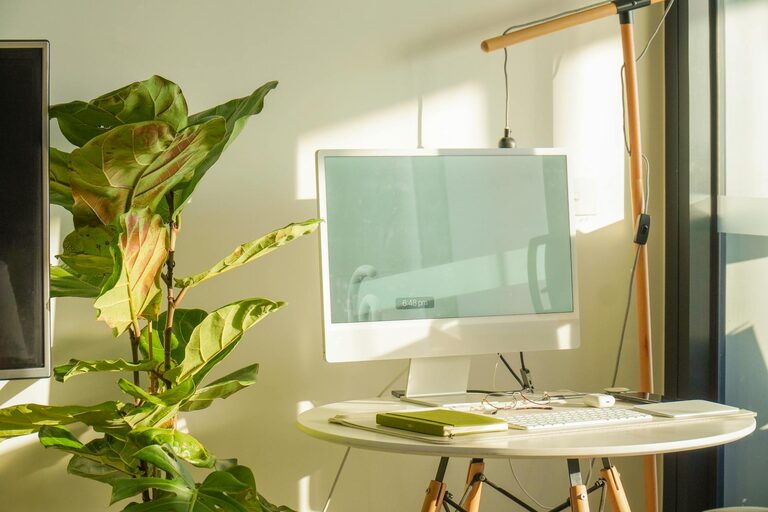
Natural light improves mood and reduces eye strain. Position your desk near a window if possible to take advantage of daylight. If natural light is limited, consider full-spectrum bulbs that mimic daylight.
Organizing Your Workspace
Declutter Regularly
A tidy desk helps clear your mind. Keep only essential items on your desk and store the rest in drawers or shelves. Use organizers, trays, or baskets to keep supplies orderly.
Use Ergonomic Furniture
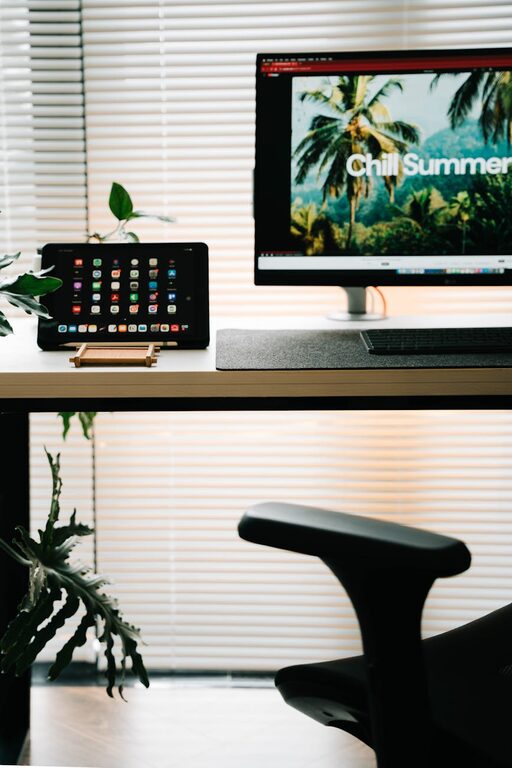
Invest in a comfortable chair that supports good posture. An adjustable height desk or standing desk can help you switch positions, reducing physical strain. Proper ergonomics prevent discomfort that can distract from work.
Adding Comfort Elements
Personalize with Plants
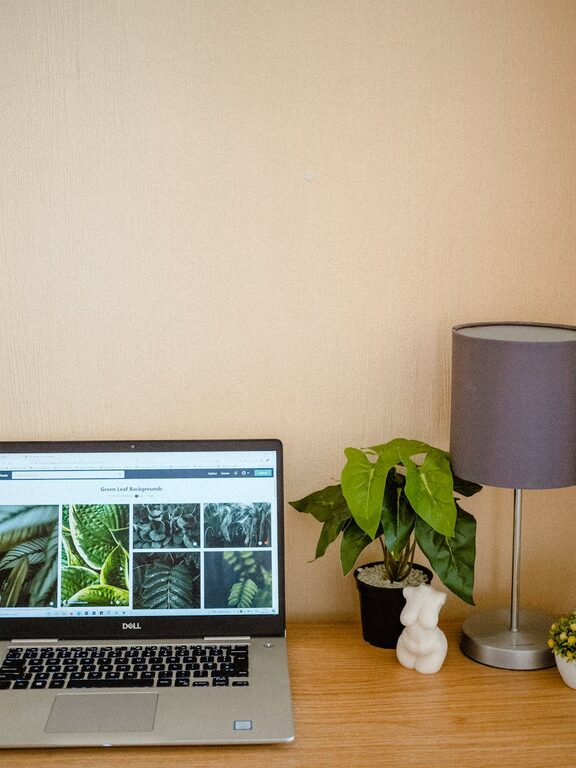
Houseplants not only purify the air but also add a touch of nature, which can reduce stress. Choose easy-care plants like succulents or pothos that thrive indoors.
Control Temperature and Air Quality
Make sure your workspace is well ventilated and at a comfortable temperature. Use a fan, heater, or air purifier as needed to maintain a pleasant atmosphere.
Incorporate Soft Textures
Adding a cozy rug, cushioned chair pad, or soft blankets can increase comfort. These elements make your workspace feel warm and inviting rather than sterile.
Minimizing Distractions
Limit Digital Interruptions
Turn off unnecessary notifications and use apps designed to focus your attention during work periods. Create a dedicated work email and phone number if possible to keep personal life separate.
Use Noise Control Tools
If ambient noise is an issue, try noise-cancelling headphones or calming background sounds like white noise or nature sounds. These can help you maintain concentration.
Lighting for Comfort and Productivity
Layer Your Lighting
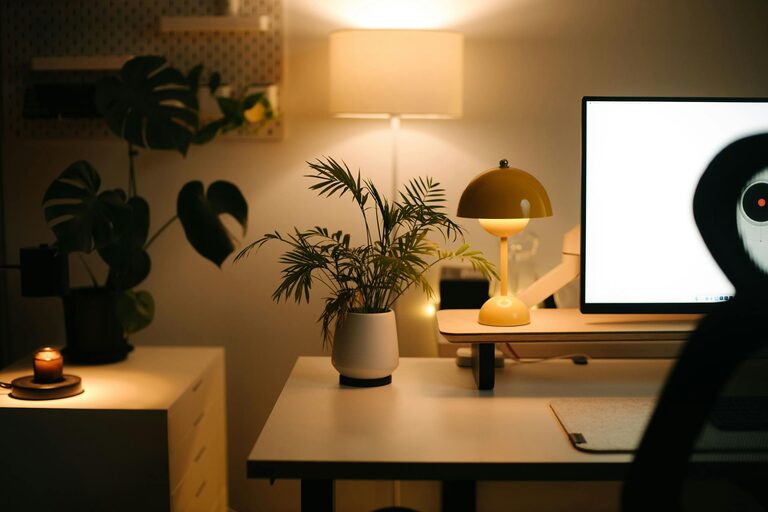
In addition to natural light, add layered lighting including task lighting (such as a desk lamp) and ambient lighting. This helps reduce eye strain and keeps you alert.
Choose Warm Light
Warm white bulbs create a relaxing atmosphere, while cool white bulbs may be better for tasks requiring focus. Experiment to find what works best for you.
Establishing a Routine
Define Work Hours
Set clear boundaries between work and personal time. Having defined work hours helps create structure and reduces feelings of burnout.
Take Regular Breaks
Incorporate short breaks throughout your day to stretch, move, or relax your eyes. Use techniques like the Pomodoro method to balance work and rest.
Keeping Inspiration Close
Display Motivational Items
Include photos, quotes, or artwork that inspire and uplift you. A visually pleasing environment encourages creativity and positive mindset.
Keep a Notebook Handy
Jot down ideas or tasks as they come to you to maintain focus and avoid procrastination.
—
A relaxing home workspace is achievable with thoughtful planning and simple adjustments. By focusing on comfort, organization, lighting, and minimizing distractions, you can create an environment that supports both your productivity and well-being. Remember, the best workspace is one that fits your unique needs and helps you thrive every day.
About the Author